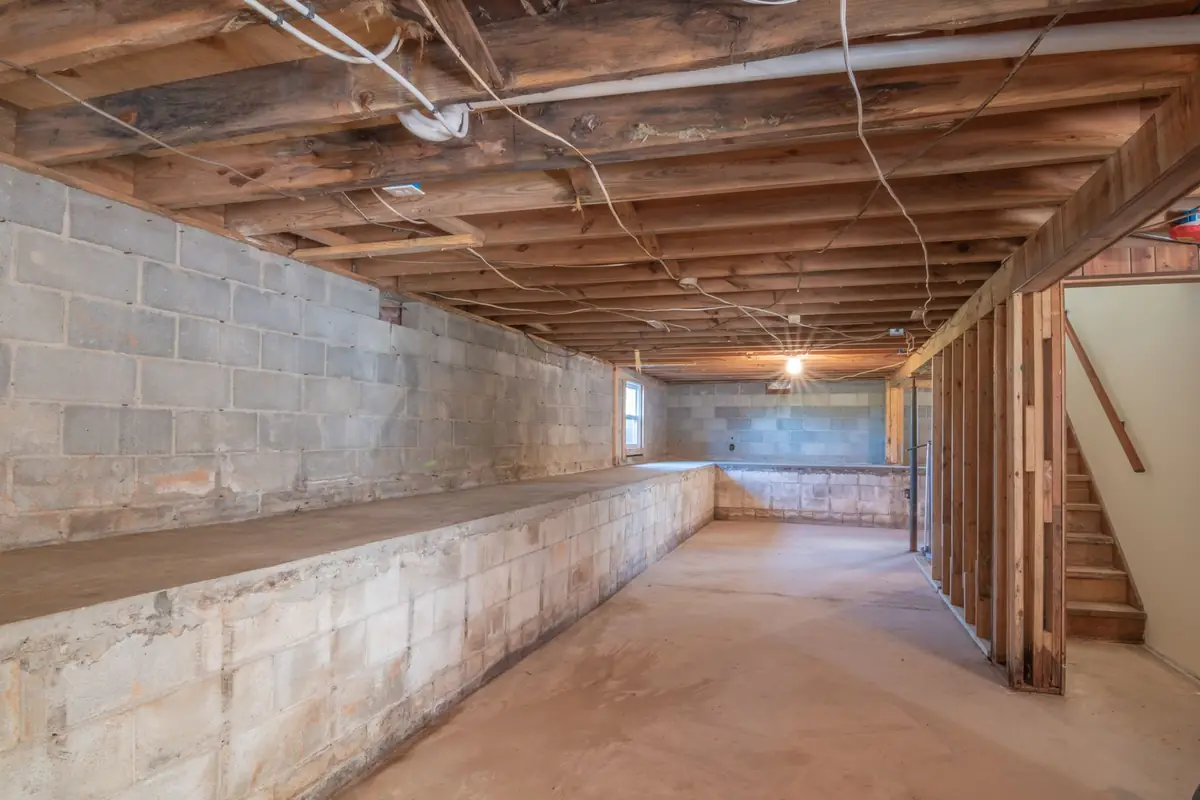
Why rain brings smells
Rain can raise soil moisture and humidity under a house. Where airflow is poor, the moist air picks up odors from soil, wood and insulation, then rises into rooms through floor gaps.
Common causes
- Roof or surface water draining toward vents.
- Blocked vents.
- A leaking pipe under the floor.
- No vapor barrier over soil.
- Wet insulation holding moisture against the floor.
What helps
Redirect roof and surface water, clear vents, repair leaks and cover soil with a vapor barrier. Where water enters from a slope, a drain at the footing may be needed.
When to worry
Persistent moisture can affect framing and indoor air. Do not ignore a smell that returns. The EPA explains why moisture control matters.
Safety
Keep out of crawl spaces with standing water near wiring.
Crawl space smell: what to check
- Check vents Make sure they are clear.
- Look at the soil outside Does it slope toward the vents?
- Peek inside safely From the access hatch, look for wet soil or sagging insulation.
- Listen and smell Note where the smell is strongest.
- Check plumbing Look for leaks or stains.
- Call for an inspection Ask for photos of what is found.
Areas covered
Questions homeowners ask
Can I just add a dehumidifier?
It may help in some cases but does not fix water entering from outside.
How often should a crawl space be checked?
At least once a year, and after wet winters.
General information for homeowners, not legal, insurance, health or other professional advice. Conditions in your home may differ; the provider who inspects it has the final word.