Homeowner guide
Lot Grading and Roof Runoff
Two things cause a surprising share of moisture problems: where the ground slopes and where the roof sends its water.
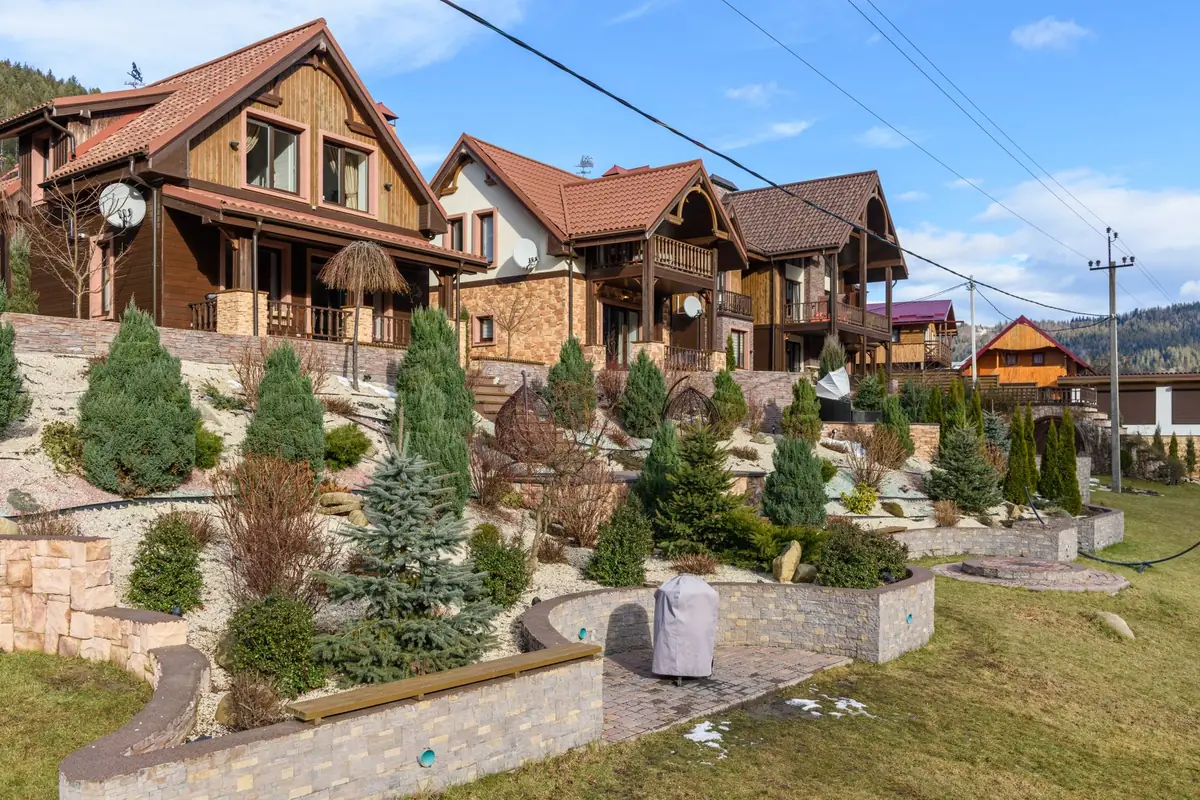
Grading
The ground next to a house should slope away from the walls. On sloped lots, the natural slope may run toward the house on the uphill side. Over time, planters, hardscape and settled soil can also change the direction of flow.
Roof runoff
A roof collects a lot of water in a storm. Gutters and downspouts concentrate it at a few points. If those points sit against the foundation, the soil there can stay wet. Even a modest roof can shed hundreds of gallons in a heavy rain.
Quick checks
- After a rain, look for where water pools near walls.
- Check that downspouts end several feet from the house or are piped to a safe outlet.
- Look for low spots, bird baths and planters against walls.
- Check that stucco does not run into soil.
- Look at patios and walkways for slope toward the house.
Fixes
Providers may regrade, add swales, install surface drains, extend downspouts into pipes, repair gutters or install subsurface drains. Where water goes after collection matters, so ask about the outlet.
Neighbors and slopes
On hillside lots, water leaving your property may affect a neighbor. A plan should keep water on your lot or send it to an approved location.
Related pages
Hillside and yard drainage and guide to gutters and downspouts.
This guide is general information for homeowners, not legal, insurance, health or other professional advice. Rules and conditions change, so check the linked official sources.
Prefer to talk it through?
Call any time, day or night to reach an independent provider.