Homeowner guide
Waterproofing Methods Compared
There is no single fix for every damp wall. Here is how the main approaches differ.
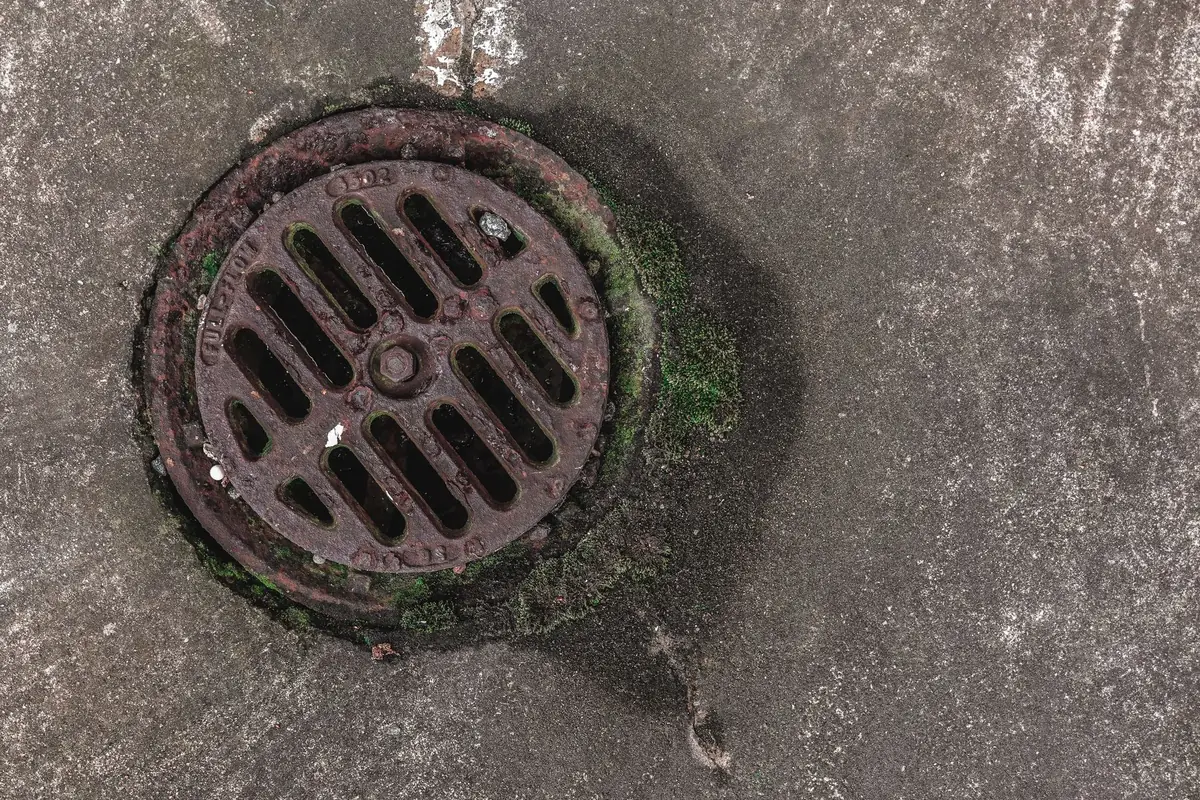
Start with the water
Waterproofing choices should follow the source of the water: roof runoff, surface water, subsurface water or plumbing. A method that works for one source may do little for another.
Approaches
- Redirect water: gutters, downspouts, grading and swales that keep water away.
- Intercept water: French drains and surface drains that collect it.
- Seal paths: crack injection, joint sealants and membranes.
- Coat surfaces: masonry sealers and coatings on interior or exterior surfaces.
- Manage water inside: interior channels and sump pits.
- Exterior waterproofing: excavate, clean, seal and drain the outside of a wall.
Strengths and limits
Redirecting and intercepting water reduce pressure and tend to be more durable. Sealing and coating help with minor seepage but can fail when pressure stays high. Interior systems handle water that has entered; they do not stop it at the wall. Exterior waterproofing addresses the wall but can be disruptive and costly on a slope.
Combining methods
Many successful jobs combine two or three measures, for example downspout piping, a drain at the footing and a crack injection.
What to ask a provider
- Why this method for my water source?
- What are its limits?
- What happens in the next hard rain?
- What is not included?
Related
See foundation and slab moisture waterproofing and below-grade room waterproofing.
This guide is general information for homeowners, not legal, insurance, health or other professional advice. Rules and conditions change, so check the linked official sources.
Prefer to talk it through?
Call any time, day or night to reach an independent provider.