Homeowner guide
Crawl Space Vents and Vapor Barriers
A crawl space is part of the house’s moisture system. Small problems there can show up as smells and soft floors upstairs.
What a crawl space does
A crawl space is the gap between the ground and the first floor on a raised foundation. It holds pipes, ducts and framing. In a dry climate it stays dry most of the time, but a leak or heavy rain can change that.
Vents
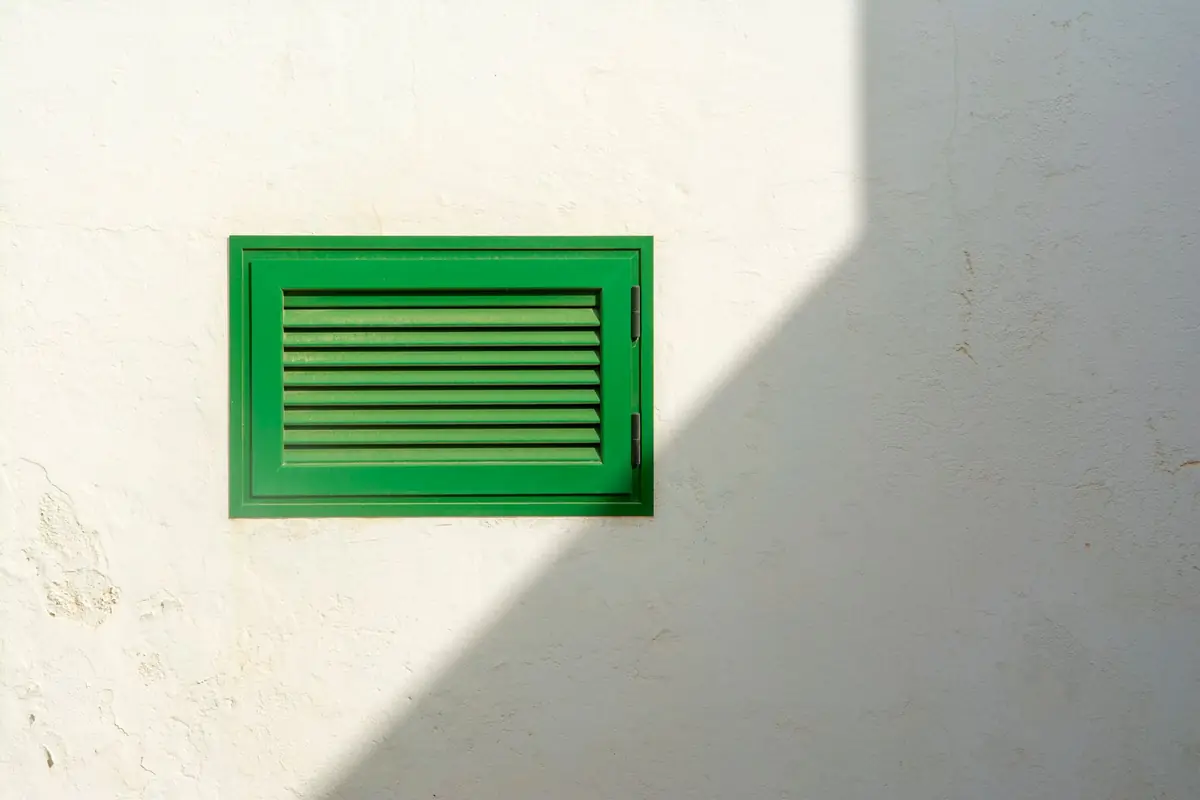
Vents allow airflow. They should be clear of plants, soil and storage. Screens should be intact to keep out animals. Some homes close vents or use mechanical ventilation; ask a provider which approach fits your house.
Vapor barriers
A vapor barrier is a plastic sheet over the soil that limits moisture rising from the ground. It should cover the soil and be lapped at seams. It does not stop standing water, which needs drainage.
After a wet winter
- Look for standing water or damp soil.
- Check insulation for sagging or stains.
- Look for white deposits on foundation walls.
- Smell for mustiness at floor vents.
- Check that the ground outside slopes away from vents.
Safety
Crawl spaces can be tight and contain wiring and pipes. Do not enter if you see standing water near electrical equipment. A provider can inspect safely.
Related
See crawl space moisture and drainage and the EPA guide to mold and moisture.
This guide is general information for homeowners, not legal, insurance, health or other professional advice. Rules and conditions change, so check the linked official sources.
Prefer to talk it through?
Call any time, day or night to reach an independent provider.