Homeowner guide
Gutters and Downspouts on Hillside Homes
Roof water is the easiest water to control, and one of the most common causes of damp walls and slabs.
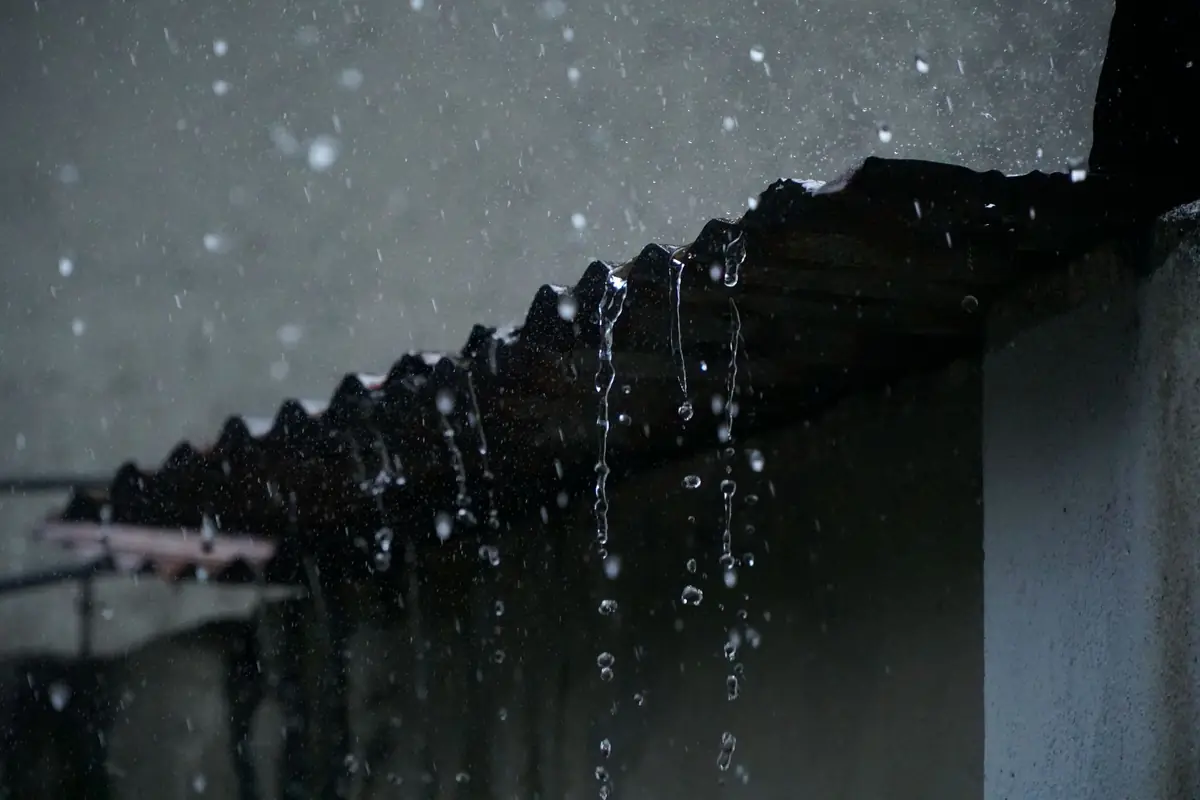
Why they matter more on slopes
On a flat lot, roof water that hits the ground at the foundation can spread out. On a slope, it can follow the grade toward a wall or a neighbor, or concentrate on a hillside and erode soil.
Common problems
- Gutters full of leaves, pine needles or seed pods.
- Loose or sagging gutters that overflow.
- Downspouts that dump at the foundation.
- Downspouts that empty onto a slope and erode it.
- Disconnected elbows or crushed buried pipes.
- Missing gutters over doors and walkways.
Good practice
Clean gutters before the rainy season and after major winds. Extend downspouts or connect them to tight lines that run to a safe outlet. Use splash blocks or drain pop-ups at the surface. Do not tie roof water into a perimeter drain unless a provider designs it for that purpose.
Where should the water go?
Ideally to a street, a storm drain connection permitted by the jurisdiction, a drainage swale or a lower part of the property that can absorb it. Ask the provider where it will discharge and what permits apply.
Fire and gutters
Debris in gutters can also burn. Cleaning them helps both with water and with wildfire preparedness.
Related
See hillside and yard drainage and the EPA WaterSense leak guidance for finding household leaks.
This guide is general information for homeowners, not legal, insurance, health or other professional advice. Rules and conditions change, so check the linked official sources.
Prefer to talk it through?
Call any time, day or night to reach an independent provider.