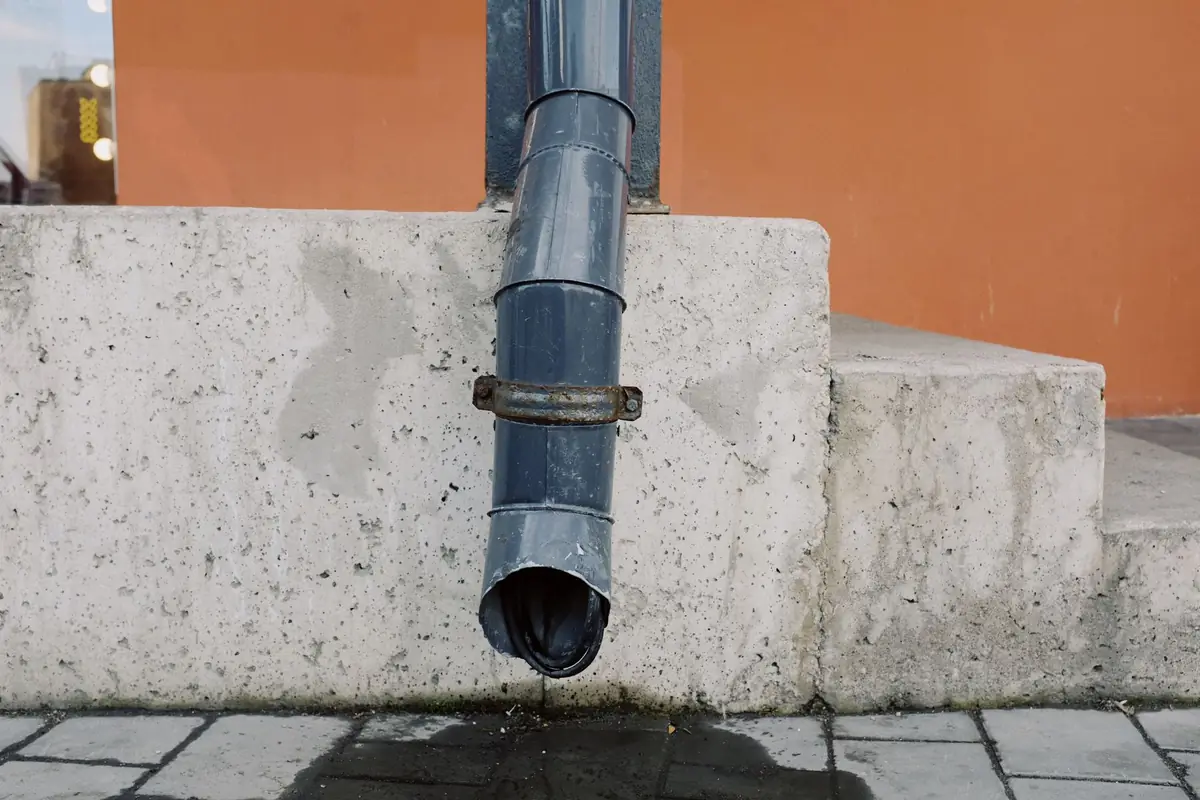
Surface drains
Surface drains, such as catch basins and trench drains, collect water running over the ground and send it through a pipe. They suit patios, driveways and low spots where water pools on top.
French drains
A French drain collects water that moves through soil. It is a gravel-filled trench with slotted pipe. It suits places where soil stays wet or where subsurface water gathers.
Which one?
If you can see water running over the surface, a surface drain may help. If the soil is soggy but there is no visible flow, a French drain may help. Many yards need both.
What both need
- A safe outlet.
- A pipe with consistent slope.
- Protection from silt and roots.
- Maintenance access.
Mistakes to avoid
Discharging at a neighbor’s wall, tying roof water to a drain that cannot handle it and burying a drain with no outlet are common errors.
Choosing a drain
- Identify the water Is it running over the surface or soaking through soil?
- Locate the low spot Where does water pool?
- Find an outlet Where can water safely go?
- Check roof water Pipe it separately if possible.
- Ask about cleanouts Access helps maintenance.
- Get a written plan Include the outlet and the layout.
Related services
Questions homeowners ask
Can I install a drain myself?
Simple surface drains are possible. Subsurface systems and slopes benefit from professional design.
Do drains need cleaning?
Yes. Silt and roots can clog them.
General information for homeowners, not legal, insurance, health or other professional advice. Conditions in your home may differ; the provider who inspects it has the final word.